



Control accounts can keep financial processes streamlined https://www.bookstime.com/ without sacrificing accuracy in small businesses, where resources might be limited. Using control accounts improves bookkeeping efficiency and strengthens internal controls, helping prevent fraud and financial mismanagement. Control accounts are essential for organised and accurate financial records. They simplify bookkeeping, help spot errors, and improve financial reporting.
Limitations of Control Accounts
- The total of all of these accounts is carried forward into the A/R control account, which appears in the general ledger and the financial statements.
- Management also benefits from control accounts, as they provide a snapshot of financial positions without delving into the granular details.
- One cannot function effectively without the other, and together, they form the backbone of a company’s financial reporting system.
- We may limit or suspend your access to the funds in your account if we suspect fraud or if there was an error in opening your account.
- By taking these simple steps, you can ensure that your computer remains secure without sacrificing too much convenience.
If it does not, then there is an error somewhere in the books that must be corrected. Those subledgers are totaled for each reporting period, and the totals make up the balance of the accounts receivable control account. In other words, the accounts receivable control account reflects the total amount that a company is owed, while the its subledger shows how much each individual customer owes. In summary, a control account is a general ledger account that control account summarizes and consolidates the balances of multiple related subsidiary ledger accounts. Control accounts are used to simplify financial reporting, ensure the accuracy of financial records, and enhance internal control within an organization.
- There are few precise details regarding the maintenance of a sovereign state’s books of accounts in his book Arthashastra.
- Consolidating multiple subsidiary accounts into one control account reduces the amount of time spent on manual data entry, and simplifies tracking transactions across multiple accounts.
- In this article, we’ll explain what they are, why they’re crucial for small businesses, and how you can easily use them to take charge of your financial health.
- Accounts Receivable refers to the money owed to a business by its clients or customers for goods or services provided on credit.
- The purchase or sales ledger control account or any other form of the same are commonly used for the following purpose.
Accounts Payable
A control account balance that doesn’t match the sub-ledger subtotal should be corrected. A company’s unique profile determines the types and numbers of control accounts, including accounts payable and accounts receivable. Keep reading to learn more about the control account’s meaning, purpose, use, advantages, and limitations. Maintaining control accounts is a critical aspect of financial management that ensures the integrity and accuracy of a company’s financial information.
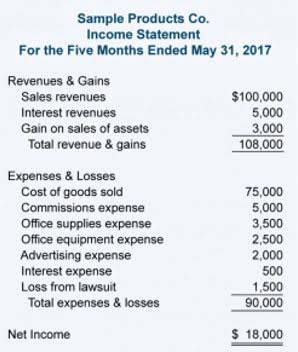
Detailed understanding of the control accounts
- By using sales, purchases, inventory, payroll, and VAT control accounts, businesses can streamline financial management and ensure compliance with accounting standards.
- The balances of personal accounts in subsidiary ledgers are summarized in control accounts in the general ledger.
- Control accounts serve as a bridge between source data (individual sales invoices, for example) and the general ledger.
- The assets backing TCAs are maintained in MetLife’s general account and are subject to MetLife’s creditors.
On the other hand, payments received from debtors would be credited to the account. With accounting software, Payroll Taxes the process of creating control accounts and subledgers can be simplified. For more details regarding each of these subjects, you’ll have your subsidiary ledger. Here you’ll find specific details like how much a customer still owes, or when purchases were made. Another distinct advantage of having a control ledger is the ability to prevent fraud. The subsidiary accounts can be managed by one person, while the control is managed by another.
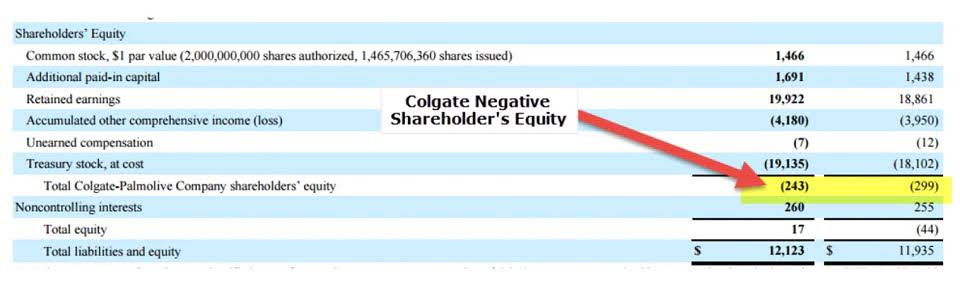
- Out of many such internal control mechanisms, maintenance of Ledger Control Accounts is a control process.
- They act as the guardians of the subsidiary ledgers, ensuring that the financial narrative told by the ledgers is both comprehensive and comprehensible.
- This can indirectly correlate to higher stakeholder confidence and enhanced reputation, further contributing to CSR objectives.
- Keeping track of the balance column is essential to determine the financial position represented by the control account.
- This connection ensures that your financial statements accurately reflect the true financial position of your business.
Moreover, they act as a safeguard against errors and fraud, making them an indispensable tool for financial managers who aim to maintain accurate and reliable financial records. Streamlining the accounting process is a goal for any business seeking efficiency and accuracy in its financial operations. Control accounts play a pivotal role in this endeavor, acting as a summary account that reflects the total balance of all records in subsidiary ledgers.
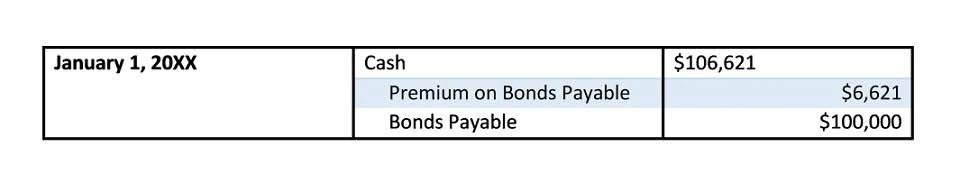
Control Account

As such, control accounts alone cannot provide a comprehensive overview of an organization’s overall financial status. From a risk management perspective, control accounts act as an additional checkpoint to detect fraudulent transactions or irregularities. By revealing discrepancies between the main ledger and sub-ledgers, control accounts help safeguard an organization’s financial assets and maintain its fiscal health.
Leave a Reply