


The intriguing journey of casinos from ancient games to modern meccas
The Origins of Gambling
The history of gambling dates back thousands of years, with evidence of games of chance found in ancient civilizations. Archaeological discoveries suggest that people in Mesopotamia were playing rudimentary games involving dice around 3000 BC. These early forms of gambling served not only as entertainment but also as a means of divination, where outcomes were believed to reveal the will of the gods. If you’re interested in exploring modern gaming, you can check out https://washingtonbeerblog.com/csgoroll-promo-code-gamble-csgo-for-beer-lovers-3-free-cases-10-deposit-bonus/ for exciting promotions.

In ancient China, the game of Keno emerged around 200 BC, providing a unique blend of luck and strategy. The popularity of these games laid the foundation for more structured forms of gambling that would evolve over time. Such ancient practices highlight the human fascination with chance, setting the stage for what would eventually become the modern casino.
The Rise of Formal Gambling Houses
As societies advanced, so did gambling. By the 17th century, the first official gambling houses began to appear in Europe. These establishments, known as casinos, were designed to offer a variety of games, catering to the growing demand from the upper classes. The term “casino” itself is derived from the Italian word for a small house, which reflects the intimate setting of these early venues.
The first recognized casino, the Ridotto, opened in Venice in 1638, offering regulated games to the public. This marked a significant transition from informal games played in back alleys to established venues with rules and oversight. As gambling spread across Europe, it became intertwined with social and cultural norms, paving the way for the lavish casinos we see today.
The American Casino Boom
The 19th century witnessed a surge in gambling in the United States, with many states legalizing various forms of betting. The Gold Rush of the 1840s brought a wave of hopeful prospectors to the West, creating a demand for entertainment and gaming. Cities like New Orleans and San Francisco became hotbeds for gambling, where saloons and gaming houses flourished. For beginners looking to dive into this world, there are plenty of resources available that can simplify the process.
The establishment of Las Vegas in the 20th century marked a pivotal moment in the history of casinos. Initially, the city thrived on its reputation as a gambling oasis, and the construction of grand resorts and themed casinos transformed it into a major entertainment hub. By mid-century, Las Vegas was synonymous with luxury, extravagance, and high-stakes gambling, attracting visitors from around the globe.
The Digital Revolution in Gambling
With the advent of the internet in the late 20th century, the gambling landscape underwent a seismic shift. Online casinos began to emerge, offering players the opportunity to enjoy their favorite games from the comfort of their homes. This digital revolution not only made gambling more accessible but also introduced innovative game designs and technologies that enhanced the player experience.
Today, online gambling continues to grow rapidly, with mobile applications enabling users to play games on-the-go. The introduction of cryptocurrencies has further transformed the industry, allowing for anonymous and secure transactions. As technology continues to evolve, the future of casinos appears to be a blend of traditional gaming experiences and cutting-edge digital innovations.
Exploring the Casino Culture
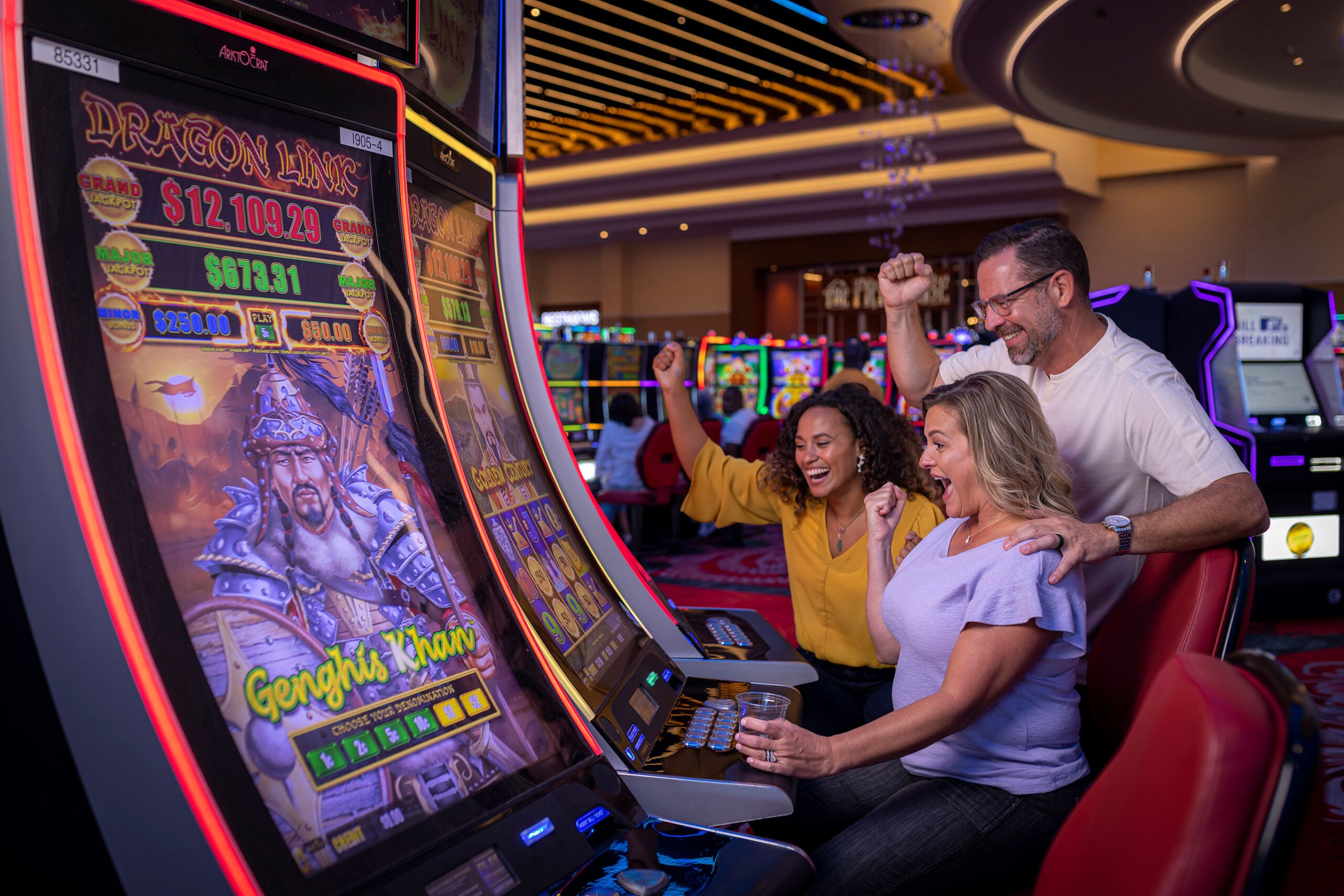
Casinos have evolved into cultural landmarks, representing more than just places to gamble. They embody a unique blend of entertainment, fine dining, and live performances, contributing to vibrant tourism industries around the world. From the opulent palaces of Monte Carlo to the bustling casinos of Macau, each destination offers its own distinctive atmosphere and experience.
Furthermore, casinos often reflect regional cultures, showcasing local themes and traditions. These venues play a crucial role in social gatherings, making them integral parts of the communities they inhabit. As the industry continues to evolve, casinos strive to offer immersive experiences that engage visitors beyond mere gaming.
Leave a Reply