


Busting common myths in gambling What you really need to know
The Gambler’s Fallacy: Understanding the Odds
One of the most prevalent myths in gambling is the gambler’s fallacy, which suggests that past outcomes affect future results. Many players believe that if a particular number hasn’t come up in a while, it is due for a win. However, in games of chance like roulette or slots, each spin is independent. The odds remain the same regardless of previous outcomes, meaning there is no way to predict or influence the next result based on the past. It’s vital for players to recognize useful resources like non gamstop uk casino, as they can help create a safer gambling environment.

This misconception can lead to poor betting strategies and increased losses. Understanding that randomness governs these games is crucial for anyone looking to gamble responsibly. It’s essential to approach each game with the knowledge that every event is independent, thereby avoiding the trap of chasing losses based on faulty logic.
The Myth of “Hot” and “Cold” Streaks
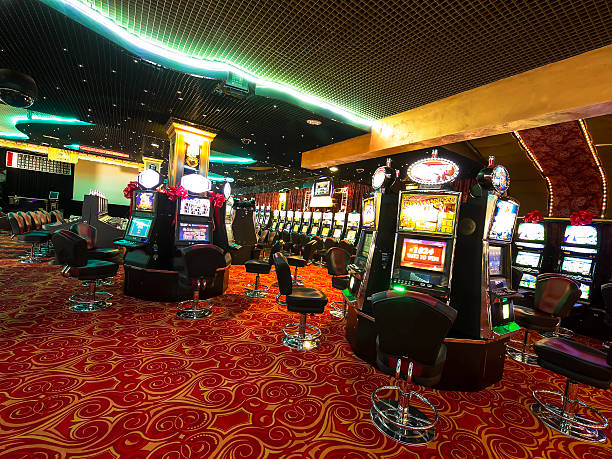
Another common myth is the idea that certain machines or tables are “hot” or “cold.” Players often believe that a machine that has recently paid out is likely to continue paying, or conversely, that a machine that hasn’t paid in a while is overdue for a big win. This belief can lead to misguided strategies, such as betting more on “hot” machines or avoiding “cold” ones.
In reality, slot machines and table games operate on random number generators, ensuring that outcomes are random and fair. Each play is completely independent of the last. Recognizing that no machine has memory or can predict future outcomes is vital for anyone wanting to maximize their gaming experience without falling for superstitions.
Skill vs. Luck: The Real Game Changer
Many gamblers believe that skill can significantly influence the outcome of certain games, leading to the idea that a knowledgeable player will always win. While games like poker do involve skill and strategy, many other games of chance, such as slots and roulette, are primarily luck-based. This misunderstanding can lead players to overestimate their abilities in games where skill has minimal impact.
It’s crucial to recognize the distinction between skill-based games and luck-based games. For poker players, honing skills such as strategy and psychology can greatly enhance their chances of winning. Conversely, in luck-based games, understanding the odds and setting limits becomes more important than trying to outsmart the game.
Misconceptions About Responsible Gambling
Many people believe that gambling is an easy way to make money, leading to risky behaviors and poor financial decisions. This myth often overlooks the reality that most gamblers lose money in the long run. Responsible gambling means understanding the odds, setting limits, and recognizing that gambling should be viewed as entertainment rather than a financial strategy.
To gamble responsibly, it’s essential to approach it with the right mindset. Set a budget before playing and stick to it, viewing any money spent as the cost of entertainment. Understanding that there are risks involved and that winning is never guaranteed can help maintain a healthy relationship with gambling.
About Safer Glasgow
At Safer Glasgow, we are dedicated to providing a secure and enjoyable online gambling experience. Our platform is designed to enhance your browsing security while ensuring a smooth performance. We understand the importance of safe gambling practices and are committed to providing resources to help you gamble responsibly.
If you encounter any issues accessing our site due to security protocols, we encourage you to follow the provided instructions to resolve them. Your safety and enjoyment are our top priorities, and we aim to create a positive environment for all users interested in gambling responsibly.
Leave a Reply